Sales Engagement Platform: What It Is, Why It Matters, and How to Choose the Best One



Casey O'Connor
Contents
- What Is a Sales Engagement Platform?
- How Does a Sales Engagement Platform Work?
- Sales Engagement Platform vs CRM vs Sales Enablement
- What Are the Benefits of a Sales Engagement Platform?
- How to Choose the Best Sales Engagement Platform for Your Business
- How Yesware Can Help Your Sales Team Close More Deals
- Best Sales Engagement Platforms for Sales Teams
- Is a Sales Engagement Platform Worth It for Small and Mid-Sized Teams?
- Conclusion
- Sales Engagement Platform FAQs
Most sales reps are juggling follow-ups across email, calls, and LinkedIn, with updates spread across tabs, tools, and spreadsheets. That disconnect shows up in the numbers: response rates stay low, follow-ups slip, and good leads go cold simply because the next step was not obvious.
The cost is real. Missed follow-ups mean missed revenue. Manual admin eats up selling time. Meanwhile, teams using sales engagement platforms are running tighter outreach, following up faster, and booking meetings more consistently because they can see what prospects are doing and act on it.
That’s where a sales engagement platform fits. It helps you plan and run outreach in one system, track engagement signals (like opens and clicks), and prioritize the right follow-up at the right time.
In this guide, you’ll learn what a sales engagement platform is, how it works, what features matter most, and which tools perform well for different team needs.
We’ll also show how Yesware keeps this simple by bringing tracking, templates, and automated campaigns directly into your inbox.
 All-in-one sales toolkitSource leads, automate outreach and tasks, and measure engagement
TL;DR
- What it is: A sales engagement platform helps sales teams plan, run, track, and improve outreach across email, calls, and social channels using real engagement data.
- Why it matters: It enables faster follow-up, higher reply rates, and more meetings by showing reps exactly who to engage and when, while reducing manual admin work.
- How Yesware fits: Yesware delivers core sales engagement capabilities directly inside Gmail and Outlook, with fast setup and no added complexity, making it an easy way to improve follow-up and outreach without enterprise software.
What Is a Sales Engagement Platform?
A sales engagement platform is software that helps sales teams plan, execute, track, and optimize their interactions with prospects across channels like email, phone, and social. Its core purpose is to show reps who to follow up with, when to reach out, and what to send, based on real engagement data.
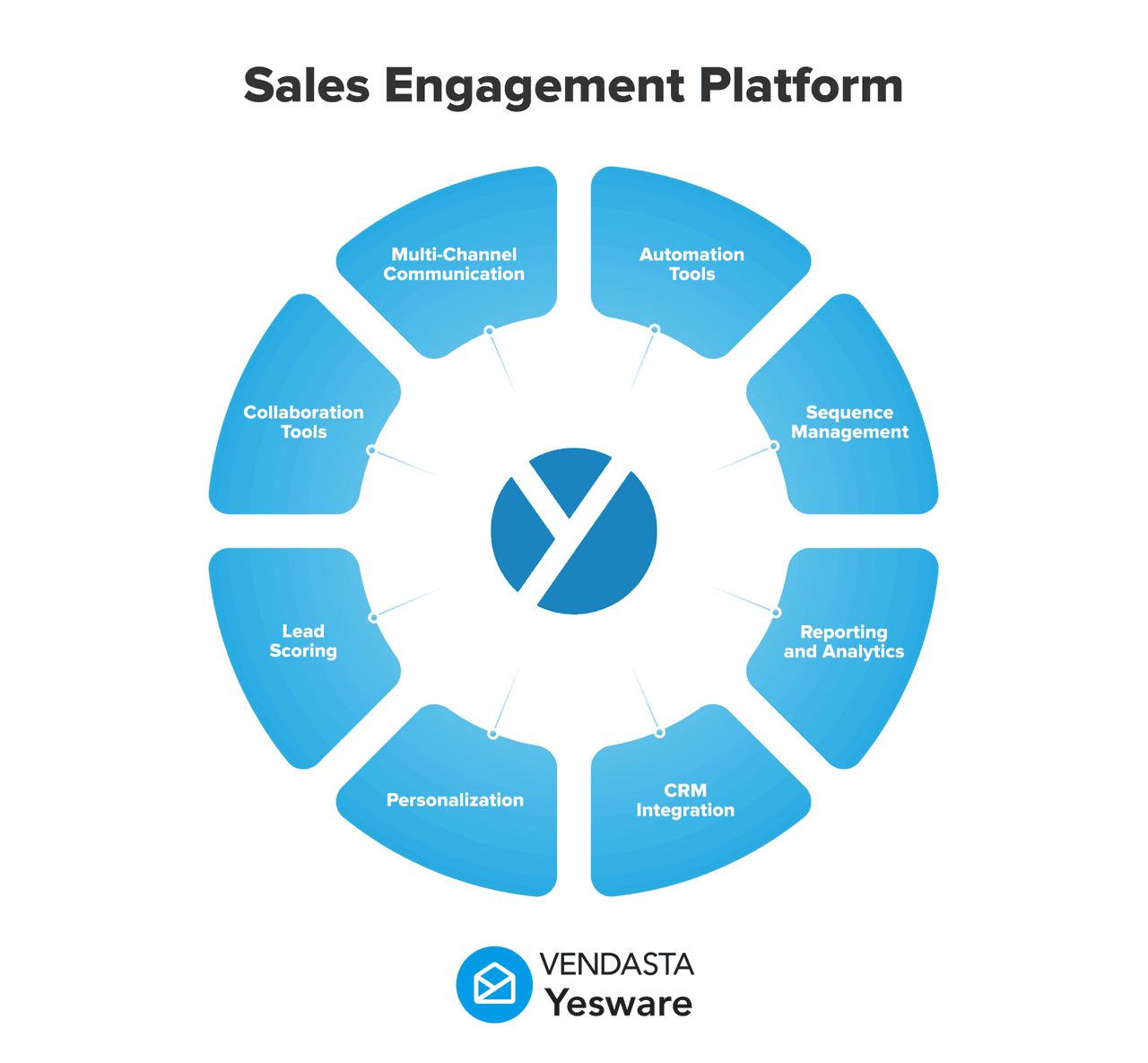
Instead of managing outreach across disconnected tools, a sales engagement platform brings activity and engagement signals into one place. It tracks actions such as email opens, link clicks, replies, and call activity, then uses that data to guide follow-up and prioritize the most engaged prospects.
At a practical level, sales engagement platforms typically help teams:
- Run structured outreach sequences across multiple channels.
- Automate follow-ups so no lead slips through the cracks.
- Track engagement signals to surface high-intent prospects.
- Standardize messaging with templates and shared best practices.
- Give managers visibility into rep activity and performance.
Sales engagement platforms do not replace a CRM. A CRM stores customer and pipeline data, while a sales engagement platform focuses on execution and timing. Many teams use both together, with engagement activity syncing back to the CRM for accurate reporting.
Tools like Yesware support these same engagement goals by bringing tracking, templates, campaigns, and engagement insights directly into the inbox, helping sales reps act on buyer signals quickly without switching tools or managing complex software.
How Does a Sales Engagement Platform Work?
A sales engagement platform works by organizing outreach into repeatable workflows, then using engagement data to guide follow-up and prioritization. Instead of relying on memory or manual reminders, sales teams use these platforms to run consistent outreach, track buyer behavior, and act on real signals as prospects move through the sales funnel.
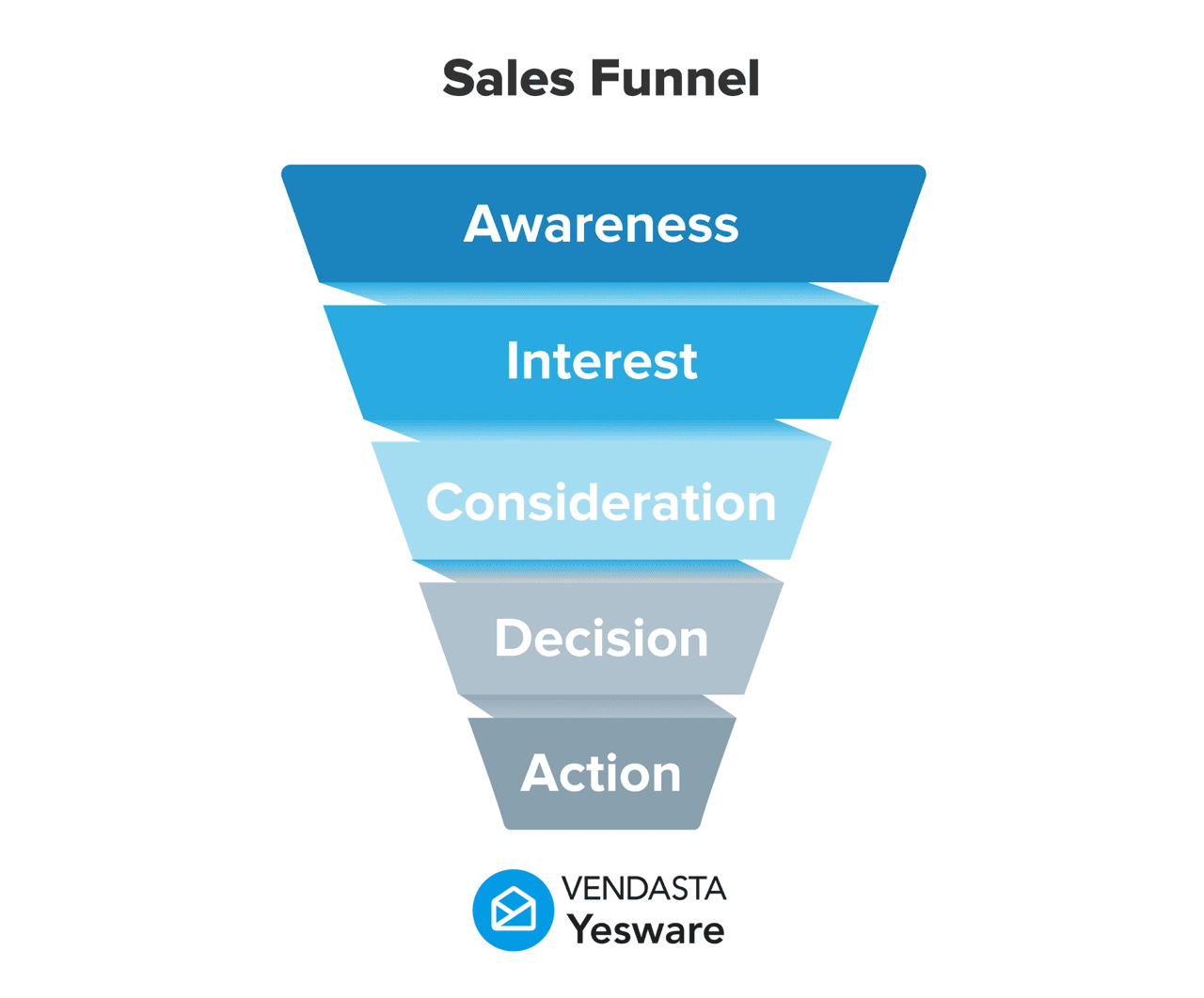
At a high level, the platform connects outreach execution with engagement tracking and performance analysis. This gives reps a clear view of what’s happening with each prospect and helps managers understand what’s working across the team.
Step-by-Step: How Sales Teams Use a Sales Engagement Platform
-
Sales reps enroll leads into structured outreach sequences.
Reps start by adding leads or accounts into predefined sequences that outline when and how to reach out. These sequences often include a mix of emails, calls, and social touches designed to maintain consistent follow-up without starting from scratch each time. -
Emails, calls, and tasks are automated or prompted at the right time.
The platform automatically sends scheduled emails and surfaces reminders for calls or manual tasks. This keeps outreach moving without requiring reps to track every follow-up themselves. -
The platform tracks opens, clicks, replies, and content engagement.
As prospects interact with emails or attachments, the platform captures engagement signals. Reps can see which messages are opened, which links are clicked, and which content is generating interest. -
Engagement data signals who to follow up with and when.
Instead of treating all leads the same, reps use engagement signals to prioritize their time. Prospects who open, click, or reply move to the top of the list, making follow-up more timely and relevant. -
Teams analyze performance to improve messaging and timing.
Managers and reps review reports to see which messages, sequences, and touchpoints perform best. These insights help teams refine templates, adjust timing, and apply what works across the entire sales process.
Tools like Yesware support this by delivering key engagement signals, templates, and automated follow-ups directly inside Gmail and Outlook. This allows sales reps to act on engagement data in real time, without switching tools or managing complex systems.
Pro Tip: Want to get even more out of your outreach? Check out our blog on free sales tracking software to learn how you can monitor engagement and pipeline activity with tools that fit your budget.
Sales Engagement Platform vs CRM vs Sales Enablement
Sales teams often use multiple tools to manage prospects, outreach, and content. While these platforms are closely related, they serve different purposes. Understanding how a sales engagement platform compares to a CRM and sales enablement software helps teams choose the right mix of tools.
Sales Engagement Platform vs CRM
A CRM is designed to store and organize customer and pipeline data. It tracks contacts, accounts, deal stages, and historical activity so teams have a system of record for revenue.
A sales engagement platform, on the other hand, focuses on execution. It helps reps run outreach, follow up consistently, and act on engagement signals like email opens and clicks.
In practice:
- CRMs manage data and pipeline stages.
- Sales engagement platforms help reps decide who to contact, when, and how.
- Many teams use both together, with engagement activity syncing back to the CRM.
For example, tools like Yesware surface engagement insights and outreach activity directly in the inbox, then automatically log that activity to the CRM so records stay accurate without manual updates.
Sales Engagement Platform vs Sales Enablement Software
Sales enablement software is focused on content and readiness. It helps teams organize sales materials, train reps, and ensure the right content is available for each stage of the buyer journey.
A sales engagement platform focuses on using that content in live outreach and measuring how prospects respond.
In practice:
- Sales enablement tools manage content, training, and playbooks.
- Sales engagement platforms deliver messages, track engagement, and guide follow-up.
- Enablement answers “what should reps use,” while engagement answers “what should reps do next.”
Together, these tools support a more complete sales workflow. Enablement ensures reps are prepared, while engagement platforms and tools like Yesware help them execute consistently and follow up based on real buyer behavior.
When teams understand these differences, it becomes easier to build a sales tech stack that supports both strategy and day-to-day selling.
What Are the Benefits of a Sales Engagement Platform?
There’s a reason why an increasing number of sales and marketing teams are prioritizing the adoption of a sales engagement platform.
Today’s B2B buyers have access to more buying information than ever, and they’re taking advantage of it — increasingly, prospects are choosing to do more and more of their own research, without input from marketing or sales. They prefer to move through the buying process independently.
In fact, nearly half of hardware and software buyers made their purchase decision without ever speaking to a member of the sales team.
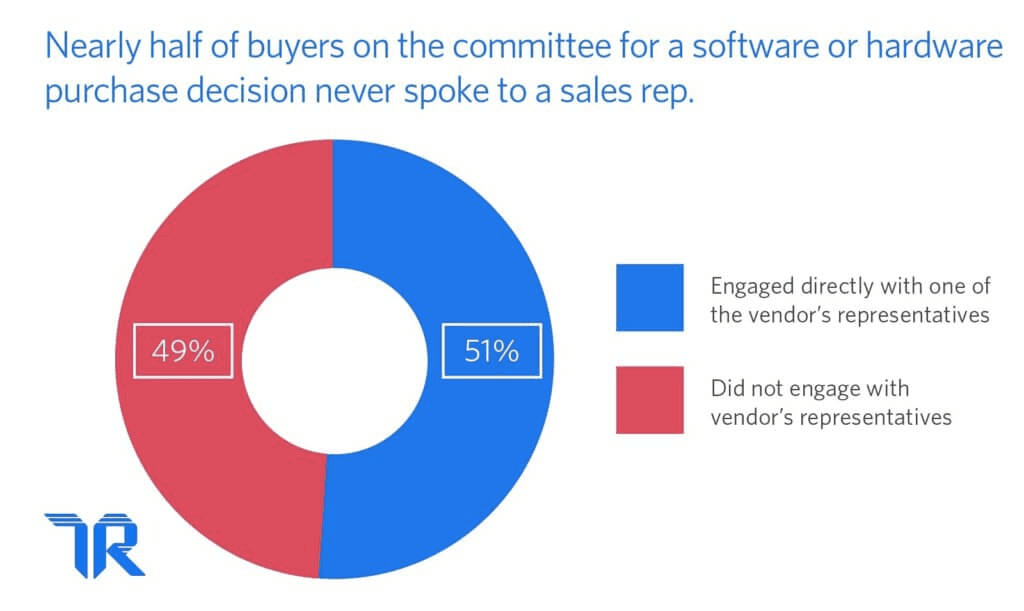
With todays’ buyers so reluctant to engage with sales teams, each and every interaction is extremely valuable. It’s imperative that sellers and marketers maintain insight into buyer behavior so that they can be prepared to reach out with strategic content when the ideal moment arises. That’s where sales engagement platforms come in.
A sales engagement platform can help sellers design, optimize, track, and analyze a multi-touch, multi-channel buying experience that’s highly personalized, well-timed, and simple to automate at scale.
It empowers sales reps to take advantage of highly-planned opportunities to generate meaningful touchpoints with prospects.
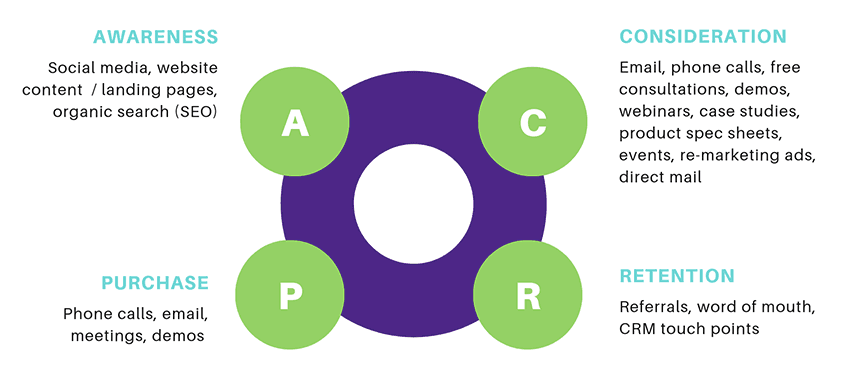
Sales engagement platforms, in short, help sellers know what to do next with individual prospects — at scale and backed by data.
Sales engagement platforms improve workflows and the overall sales process by:
- Improving sales efficiency
- Improving communication among teams, and between prospects and sellers
- Integrating with and enhancing the capabilities of existing tools
When those three things are achieved, sales reps are able to more reliably and efficiently win higher-quality deals.
 Prospecting made easyAutomated campaigns with emails, calls, and social touches
Improve Sales Efficiency
One easily-measurable way that sales engagement software improves the sales process is by shortening the sales cycle and improving overall productivity and efficiency.
Sales engagement improves sales efficiency by:
- Automating administrative processes like activity logging, sequencing and dispatching prospecting campaigns, and updating dashboards with sales metrics
- Connecting the CRM system to the inbox and LinkedIn so that all relevant information is readily available to reps
- Creating, storing, analyzing proven messaging templates and sales scripts for future use
Sales efficiency is a more pressing problem than ever — sales professionals today spend very little of their time actually selling. In fact, only 36% of their time is allocated to sales-specific revenue-generating activities.
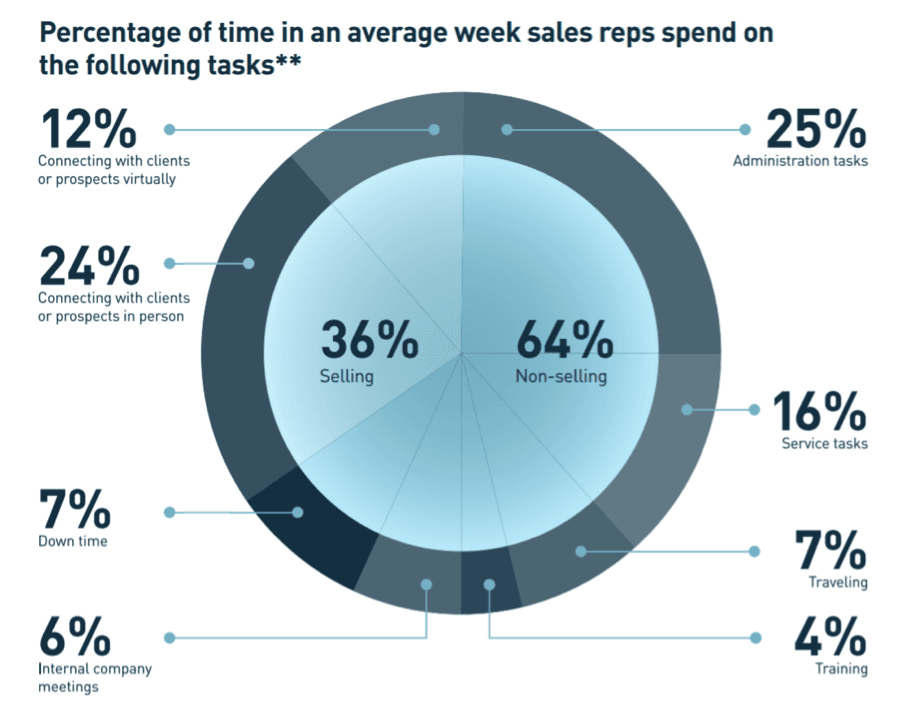
Sales engagement software improves efficiency in the sales process by automating administrative tasks and subsequently freeing up more time for selling.
Sales engagement platforms also make the sales process more efficient by equipping sellers with the insights and resources needed to make timely, authentic connections with prospects.
The software can read buyer signals and anticipate the best way to respond to each prospect based on where they are in the process and how they’ve interacted with your brand up until that point.
To sum up, sales engagement platforms shorten the sales cycle by freeing up sales reps’ time and teeing up the exact content a prospect needs to progress through the funnel at any given time.
Improve Communication
Although speed is certainly important to a successful sales process, nothing will ever trump the importance of building authentic, trusting relationships with prospects. The way that salespeople do that is through effective and timely communication.
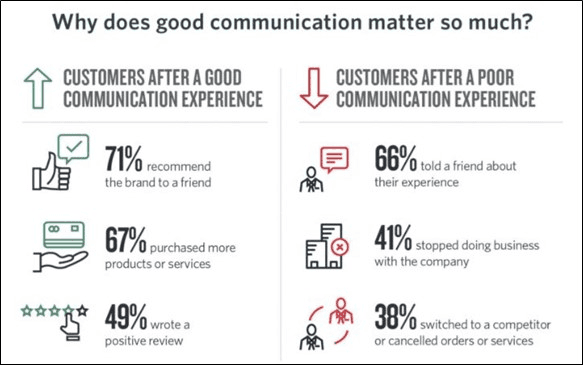
Sales engagement platforms help sellers communicate effectively at scale and with confidence. The software can help sellers design and execute broad-reaching and complex outreach sequences that are both highly personalized and repeatable.
It can also track those outreach efforts once they’re deployed to further refine the process of curating content for prospects at various stages of the sales pipeline.
In essence, sales engagement software allows sales reps to come immaculately prepared for every conversation.
Integrate with Existing Tools
One of the biggest drawbacks to implementing new tools in your tech stack is facing the risk of the new tool counteracting the productivity of an existing one.
Fortunately, the best sales engagement tools were designed with that issue in mind. They sit atop existing CRM and other sales software solutions to enhance their various capabilities. The sales engagement platform you choose should eliminate — or, at the very least, not add to — the need to toggle back and forth between your various sales tools.
It should be capable of auto-logging to and from any other existing platforms, as well as executing processes and analyzing data from a variety of touches and channels. It’s meant to be a single platform that stores all relevant data and surfaces it when you need it.
This expectation around seamless integration doesn’t just apply to sales, either — marketing, accounting, and support teams should also be able to integrate their current processes into the sales engagement platform. All teams should also have fully transparent access to workflows within the system.
Tip: Check out our free ebook for building a successful tech stack for your business.
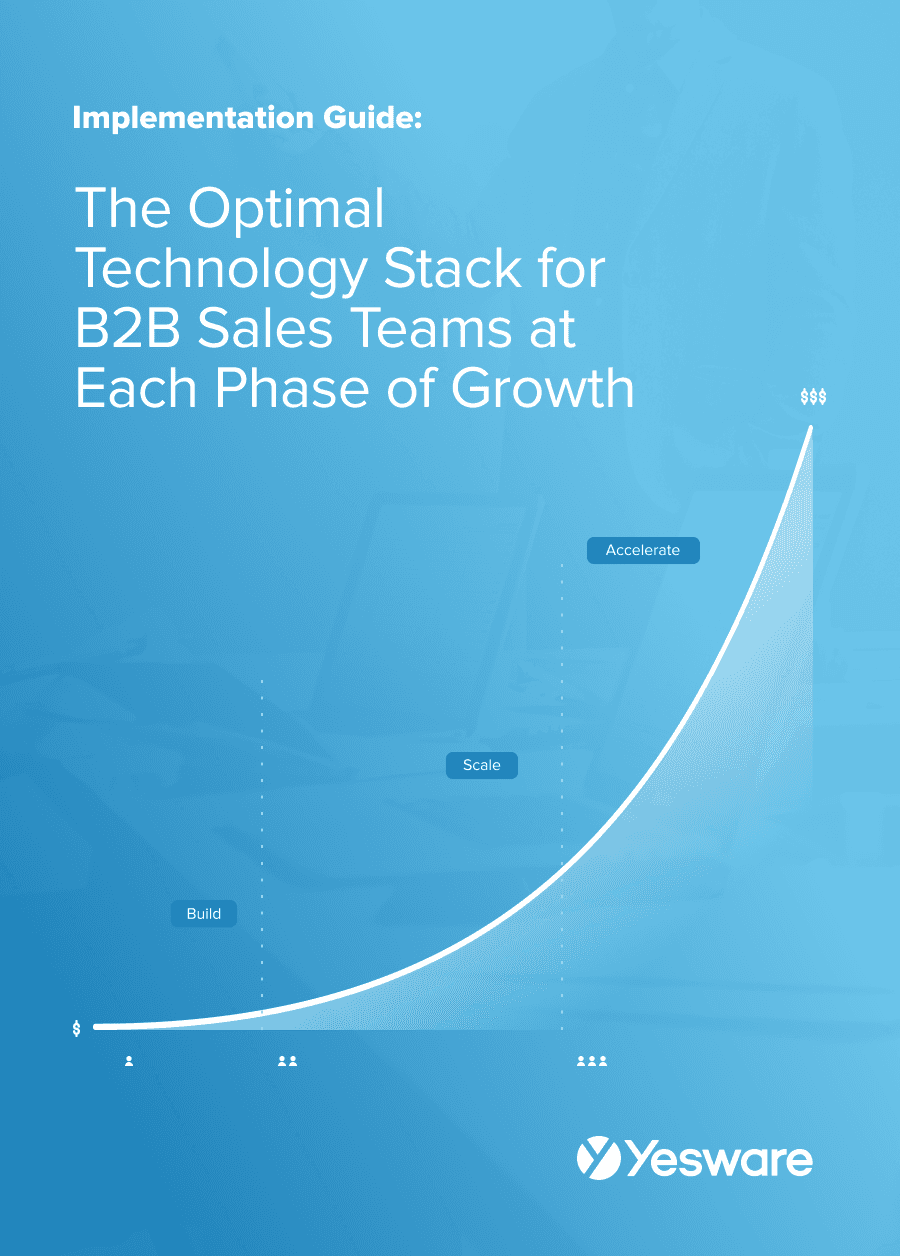 The Optimal Technology Stack for B2B Sales TeamsUsing data from the most successful business-scaling models, we designed a blueprint for the exact technology your business needs at each phase of growth.
Win More Quality Deals
Although sales engagement tools can have a dramatic impact on the day-to-day workings of a sales team, the bigger picture is equally impactful. Sales engagement software helps salespeople win higher-value deals. Not only that, it helps sellers win more of them — more often and more predictably.
Sales engagement software improves deal quality by providing data on which content is most effective with which buyer persona or prospect. It guides sellers on when to use what sales collateral. Sales reps can use this insight to prioritize and strategically nurture the most promising leads in the funnel.
With sales engagement tools, sales reps can make better decisions. It allows them to focus on strategizing and executing specific triggers that make the most difference for the most engaged accounts.
How to Choose the Best Sales Engagement Platform for Your Business
Now that sales engagement platforms are becoming more popular, it can be hard to know which one will best support your team. There are many capable platforms to choose from, each with its own pros and cons.
The platform you choose will ultimately depend on the unique needs of your team, but there are some general look-fors that all good sales engagement platforms should have in order to be capable and flexible enough to meet the rest of your team’s needs.
Multi-Team Access and Support
First and foremost, the sales engagement platform you choose should support a variety of use cases across all the revenue-supporting teams within your organization.
Many sales and marketing professionals falsely believe that sales engagement platforms are strictly for prospecting; this could not be further from the truth. The best sales engagement platforms’ capabilities should stretch far beyond prospecting, and offer robust support for:
- Workflow management
- Activity logging
- Template performance
- Call/email engagement statistics
In other words, sales engagement platforms should easily handle all things related to account management.
Powerful Automation
Next, the platform should offer powerful and intuitive automation.
There should be processes and organization in place for storing and tracking data around:
- Messaging
- A/B testing
- Scheduling meetings
- Auto-dials
- Call logs
- Email sequences
These features alone will make a tremendous difference in your teams’ productivity and output.
Easy Implementation
Finally, it’s important to consider how easy it will be to implement your new software solution. Does the tool offer native CRM integration? Can you access CRM data via Gmail or Microsoft Outlook? Does it integrate with LinkedIn?
In general, the sales engagement platform you choose should offer teams the opportunity to access the CRM and manage workflows directly from the inbox.
As you go through the process of choosing a sales engagement platform, consider the following:
- Is the platform flexible and broad-reaching enough to meet the needs of all customer-facing teams?
- How much time will my team save if they use the platform?
- How well can the platform integrate with my teams’ existing process?
- Is it easy to learn and adopt?
- Are there any data security or compliance risks?
- How much ongoing management will the platform require? Will it ultimately make more time available to us, or require more time to use and manage?
There may not be a clear winner across all of these questions, so it’s important to consider them holistically and choose the platform that will meet the most needs, most easily.
How Yesware Can Help Your Sales Team Close More Deals
Yesware — the one-stop-shop for intelligent outreach at scale — can take your sales strategy to the next level with our intuitive engagement capabilities.
Create Campaign Templates
Yesware’s email template feature allows you to automate and send higher-converting emails, without the repetitive busywork. With Yesware, you’ll never write the same email twice.
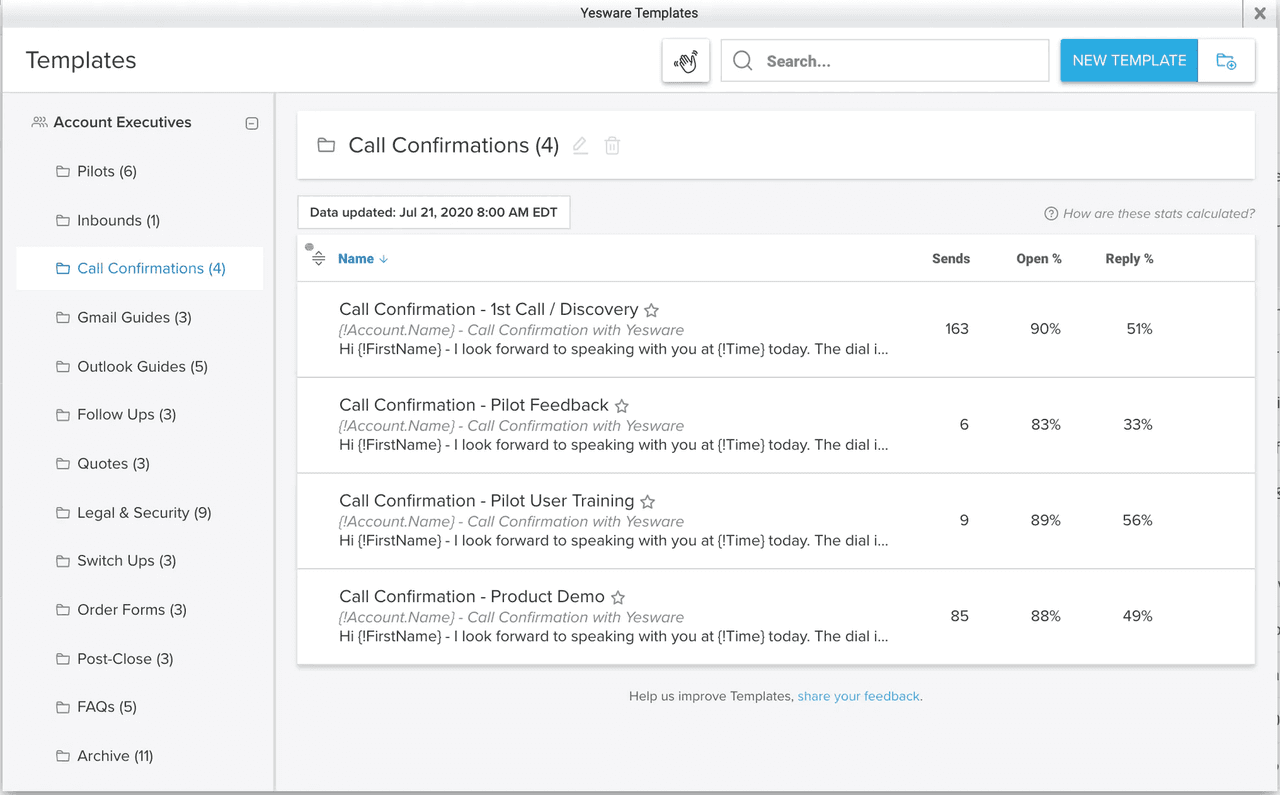
Our ready-to-go templates personalize in seconds and can be auto-scheduled to send at the exact moment your leads are ready to engage.
Personalize Them
Speaking of personalization, Yesware also allows you to completely personalize all of your automated outreach with our prospecting campaign feature. Here, you can create automated email campaigns or multi-channel campaigns with calls and social touches.
You can choose from a variety of different touch-types, including automated or manual emails, LinkedIn InMails, and other custom touches.
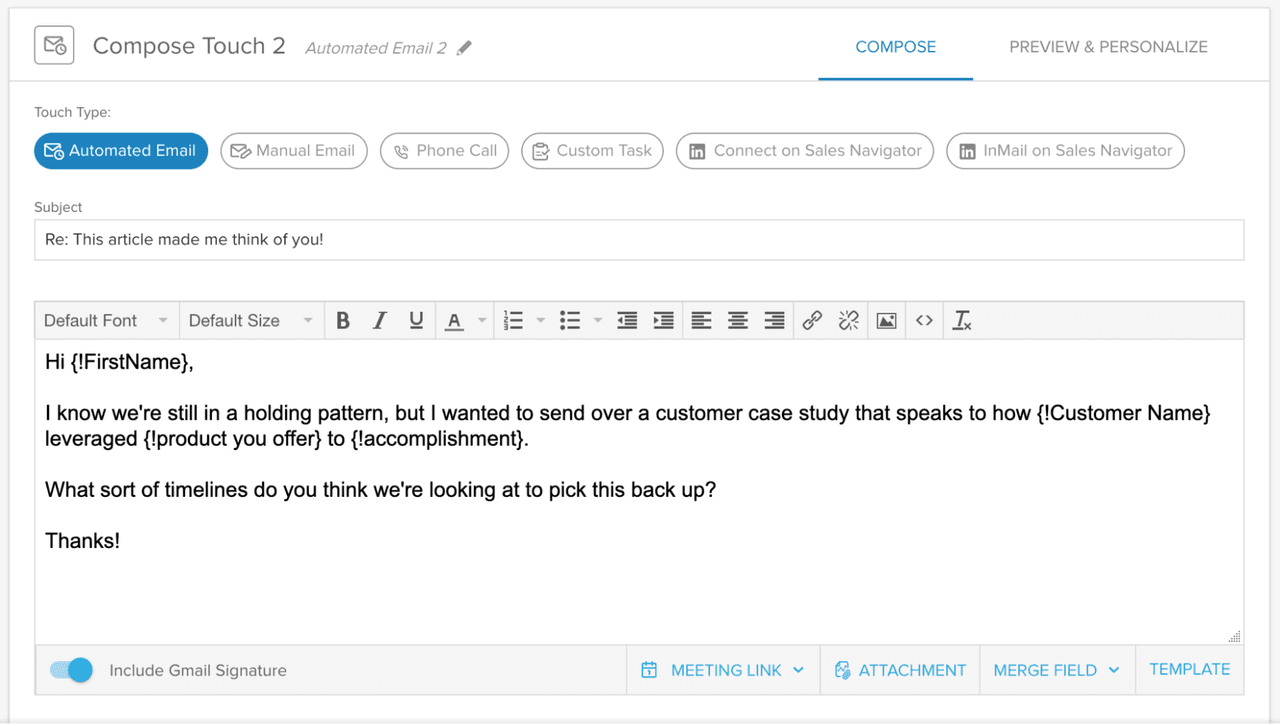
You can easily integrate Salesforce CRM to add recipients directly from Leads or Contact records or bulk import entire list views. Customize emails automatically with dynamic fields or one at a time.
 Connect with more buyersClose better deals through better email outreach
Automate Them (Including Follow-up and Scheduling)…
Did you know that 70% of leads are never contacted, yet 65% of marketing budget goes to lead generation?
This is an absolutely tremendous waste of resources and a problem that can be easily solved with some simple organization and structure.
Yesware helps you stay on top of who needs initial contact, who needs follow-up, and when they need it.
You can automate follow-up emails to go out when prospects don’t respond to your first outreach. Yesware will remove recipients who reply or book a meeting automatically.
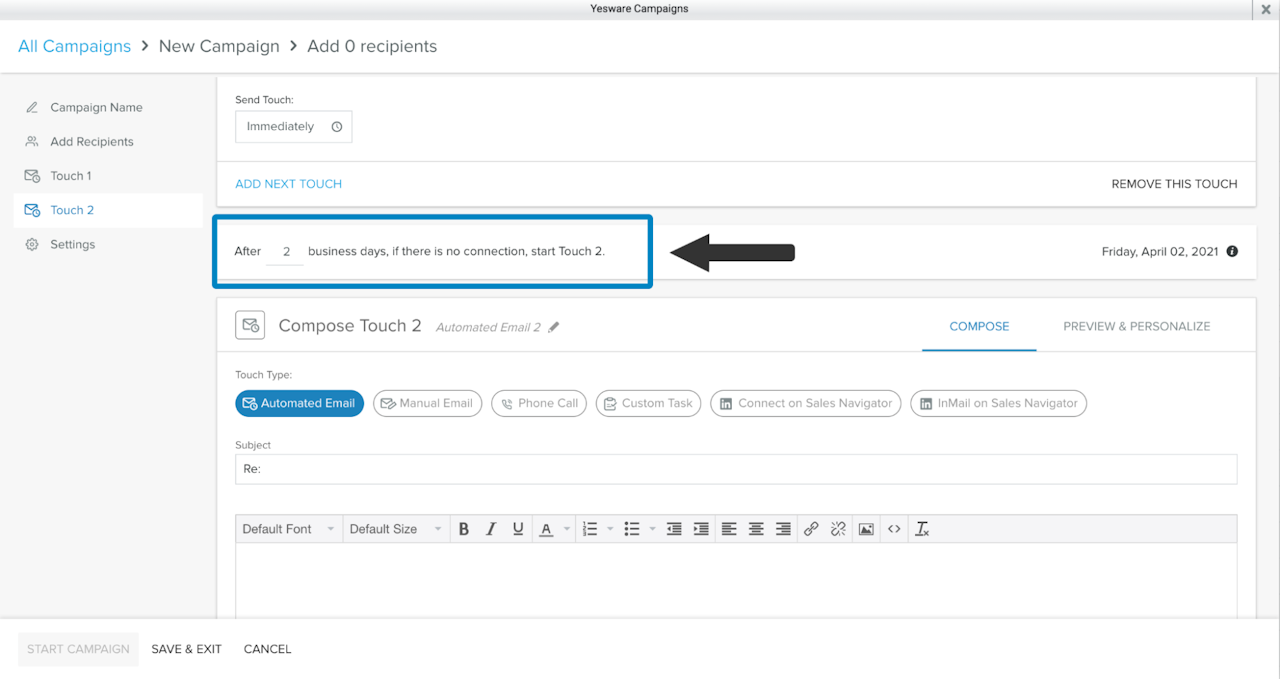
You can also automate the scheduling process.
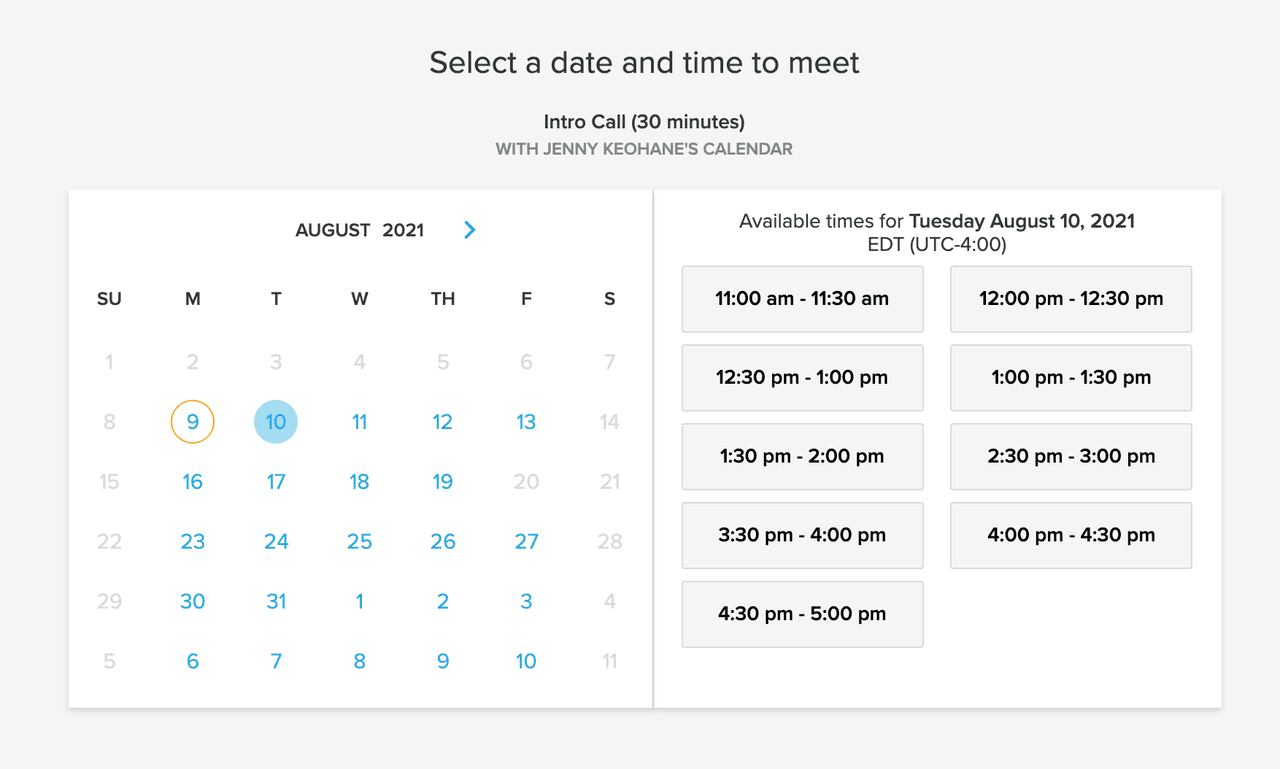
Yesware’s Meeting Scheduler allows you to insert your meeting link into your templates and campaigns, then watch your calendar fill up all on its own. It integrates with both your Outlook and Gmail calendar.
Track Them
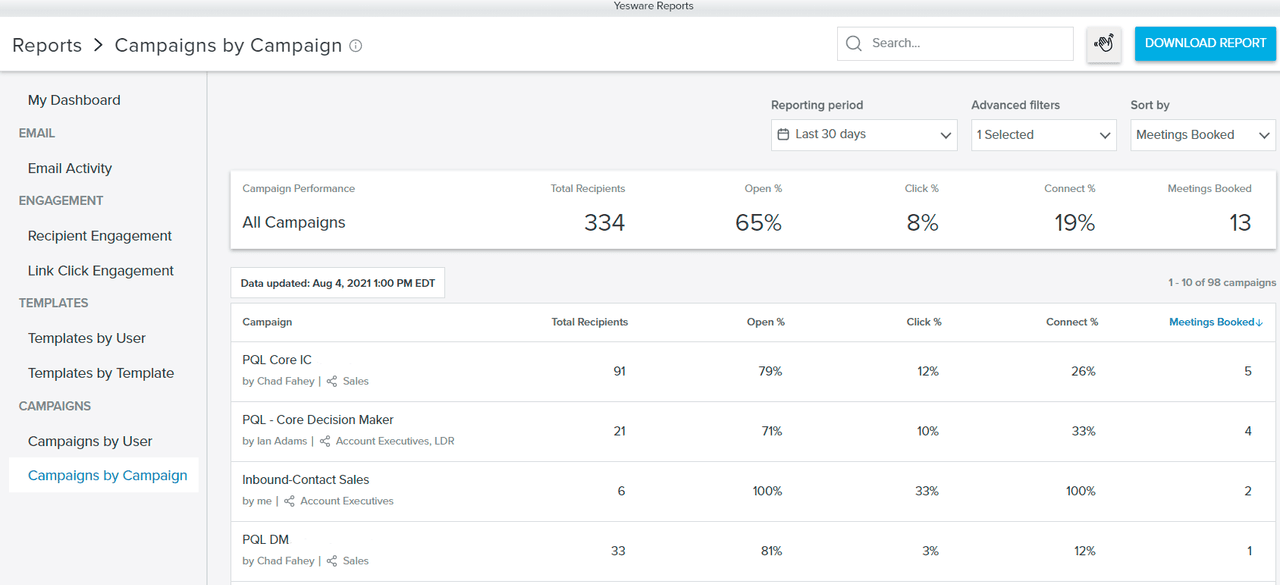
Our reporting and analytics features allow you to track which content works best for certain kinds of customers. This will enable you to give a customized experience for each recipient, making automated personalization truly scalable.
And our in-depth Presentation Reports provide a streamlined analysis of the most engaging content in your sales playbook.
Best Sales Engagement Platforms for Sales Teams
There are many sales engagement platforms on the market, and the best option depends on your team’s size, sales motion, and tolerance for complexity. Some tools are built for large, highly structured organizations, while others focus on simpler outbound workflows. Below is a comprehensive overview of the most commonly recognized sales engagement platforms.
Enterprise-Grade Sales Engagement Platforms
These platforms are designed for large sales organizations with complex workflows, dedicated operations teams, and deep CRM customization needs.
Salesloft
Salesloft focuses on structured cadences, coaching, and analytics. It’s often used by mid-market and enterprise teams that want standardized outreach processes and strong manager visibility. Teams should expect a learning curve and a more formal implementation.
Groove
Groove is built specifically for teams using Salesforce and emphasizes tight CRM alignment. It automates repetitive tasks and provides engagement insights across channels. Groove works best for organizations already deeply invested in Salesforce workflows.
Mid-Market and Specialized Platforms
These tools offer robust engagement capabilities with different strengths, such as deliverability, automation depth, or prospecting features.
Apollo.io
Apollo combines sales engagement with a large prospect database and data enrichment. Teams can find leads, build lists, and run outreach in one platform. This approach works well for outbound-heavy teams but may add complexity for reps focused primarily on follow-up.
SmartReach
SmartReach focuses on multi-channel outreach and email deliverability. It supports sequences across email, LinkedIn, and calls, making it a fit for teams prioritizing inbox placement and outbound consistency.
Is a Sales Engagement Platform Worth It for Small and Mid-Sized Teams?
SMB sales teams rely heavily on timely follow-up to win deals. When one or two reps miss a follow-up, it can stall the entire pipeline. A sales engagement platform helps by:
- Keeping outreach structured so no lead is forgotten.
- Highlighting engaged prospects so reps focus on the right conversations.
- Reducing manual tracking and reminders that eat into selling time.
With fewer resources, SMBs feel the impact of better prioritization and automation immediately.
Many enterprise sales engagement platforms are built for large organizations with dedicated sales ops teams. They offer deep customization but often require long onboarding, training, and ongoing management. For SMBs, this complexity can slow adoption and limit ROI.
Ease of use matters more than having every possible feature. Tools that work inside existing workflows, require minimal setup, and surface clear engagement signals tend to deliver value faster.
This is where Yesware is especially strong. By bringing tracking, templates, campaigns, and engagement insights directly into Gmail and Outlook, Yesware helps small and mid-sized teams improve follow-up and outreach without adding heavy software or operational overhead. It’s a practical way for SMBs to get the benefits of sales engagement without the complexity that often comes with it.
Conclusion
Consistent follow-up and timely outreach are still two of the biggest drivers of sales success. A sales engagement platform helps teams stay organized, act on real engagement signals, and focus their time on the prospects most likely to convert. For sales teams juggling multiple channels and limited time, that clarity can make a meaningful difference in pipeline and revenue.
Not every team needs an enterprise-level platform with heavy setup and complex workflows. Many sales teams, especially small and mid-sized ones, get more value from tools that improve execution without slowing them down. Ease of use, fast adoption, and clear engagement insights often matter more than long feature lists.
If your goal is to follow up faster, personalize outreach at scale, and spend more time selling instead of managing tools, focusing on sales engagement capabilities is a smart place to start. Tools like Yesware support these outcomes by delivering tracking, templates, campaigns, and insights directly inside your inbox, helping sales teams work more efficiently and close more deals without unnecessary complexity.
Try Yesware for free today: an all-in-one sales toolkit for better sales engagement.
Sales Engagement Platform FAQs
1. What is a sales engagement platform?
A sales engagement platform is software that helps sales teams manage and optimize outreach across email, calls, and social channels. It tracks engagement signals like opens and clicks to guide follow-up and improve response rates throughout the sales process.
2. How does a sales engagement platform improve follow-up?
Sales engagement platforms surface real-time engagement data so reps know exactly when prospects open or click emails. Tools like Yesware alert reps instantly, helping them follow up at the right moment instead of guessing or relying on manual reminders.
3. Do small businesses need a sales engagement platform?
Yes. Small teams benefit significantly because sales engagement platforms automate follow-ups, reduce manual admin, and help reps focus on high-intent leads. Lightweight tools like Yesware are especially well-suited for SMBs that want fast value without complex setup.
4. What features should I look for in a sales engagement platform?
Look for email tracking, automated campaigns, templates, CRM integration, engagement reporting, and meeting scheduling. Inbox-native platforms like Yesware stand out by letting reps act on insights directly where they already work.
5. Is a sales engagement platform the same as a CRM?
No. A CRM stores customer data, while a sales engagement platform helps reps execute outreach and follow up effectively. Most teams use both together, with tools like Yesware syncing engagement activity directly into their CRM.
6. How long does it take to implement a sales engagement platform?
Implementation varies by tool. Some enterprise platforms take weeks or months. Yesware is designed for fast adoption and can be installed and used in minutes directly inside Gmail or Outlook.
7. Can a sales engagement platform increase reply rates?
Yes. By improving timing, personalization, and consistency, sales engagement platforms often lead to higher open and reply rates. Teams using Yesware commonly see stronger engagement because follow-ups happen when interest is highest.
8. What is the easiest sales engagement platform to use?
Ease of use depends on the workflow. Inbox-first platforms like Yesware are often considered the easiest because they eliminate tool switching and require little training, making them ideal for busy sales teams.
9. How much does a sales engagement platform cost?
Pricing varies widely. Some platforms charge enterprise-level fees. Yesware offers affordable plans and a free option, making sales engagement accessible without long contracts or heavy upfront investment.
10. Can a sales engagement platform help sales managers?
Yes. Sales managers gain visibility into rep activity, engagement trends, and messaging performance. Yesware’s reporting helps managers coach more effectively and identify what’s working across the team.
This article was originally published in February 2022 and was updated in December 2025 to include the latest information and insights.
Get sales tips and strategies delivered straight to your inbox.
Yesware will help you generate more sales right from your inbox. Try our Outlook add-on or Gmail Chrome extension for free, forever!
Related Articles



Anya Vitko

Casey O'Connor

Casey O'Connor
Sales, deal management, and communication tips for your inbox